Lessons and Reminders From the Greatest Generation
Experience is life's greatest teacher. Seek out those with it and consume what they will share.

I want to live a life that is full. I want to fill as many buckets as I possibly can.
It’s terribly difficult. I often find myself getting in my own way.
I’m stressed about something at work. The house is a mess. I haven’t talked to my wife in a day because we’re both so damn busy. The kids won’t stop fighting over something being his and not hers, or vice versa. The credit card bill this month is far higher than I anticipated at the start of the month.
The list of frustrations and obstacles seems endless a lot of the time and that feeling of drowning is overwhelming. So, how do people deal with all of this? How do they manage, endure, and live a long life they consider satisfying?
I certainly wasn’t sure as it was beginning to feel impossible. So, I picked up the phone and started cold-calling those people I thought might have a better idea than me.
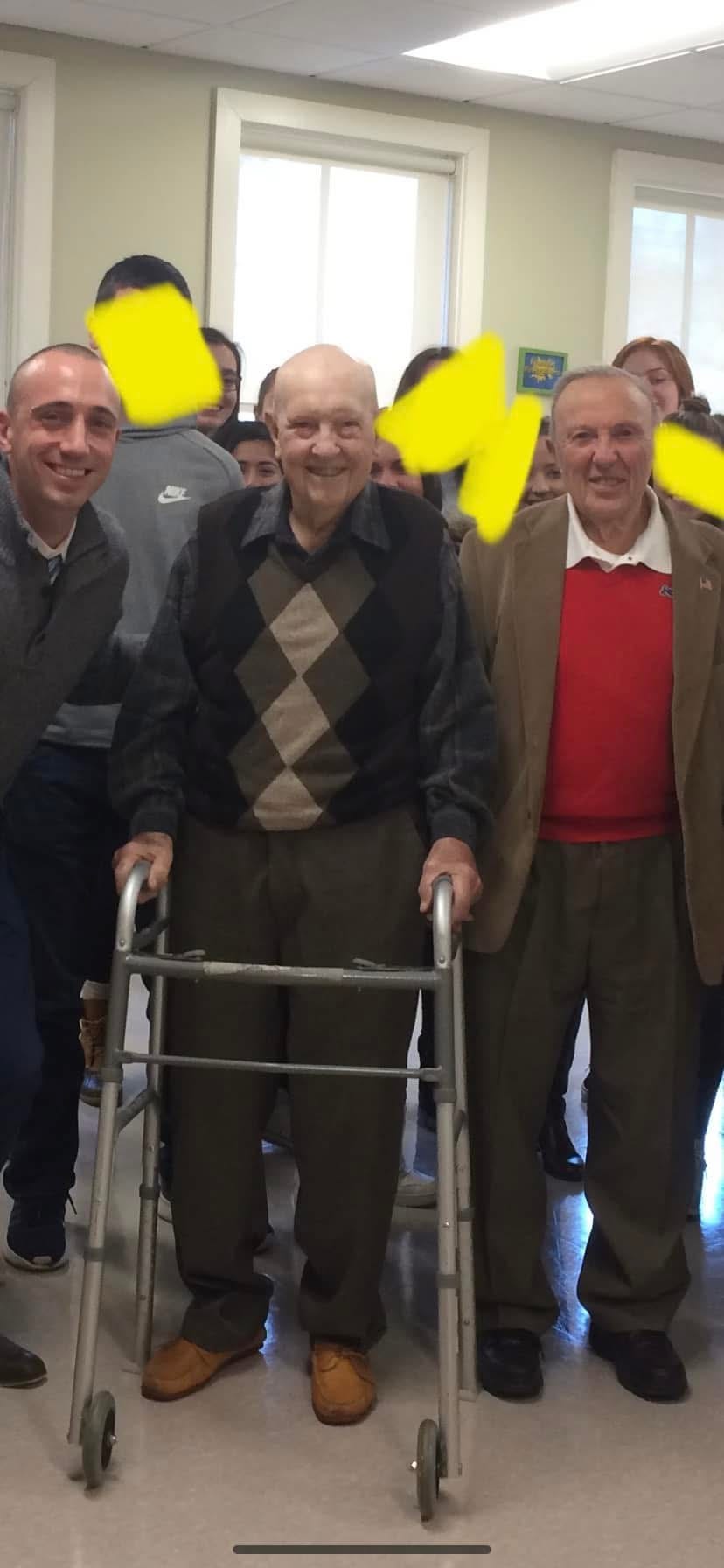
For years prior, I had been interviewing World War II veterans–the men and women of the Greatest Generation—to learn about their war experiences. I couldn’t think of a group of people that would know the answers to my questions better than them.
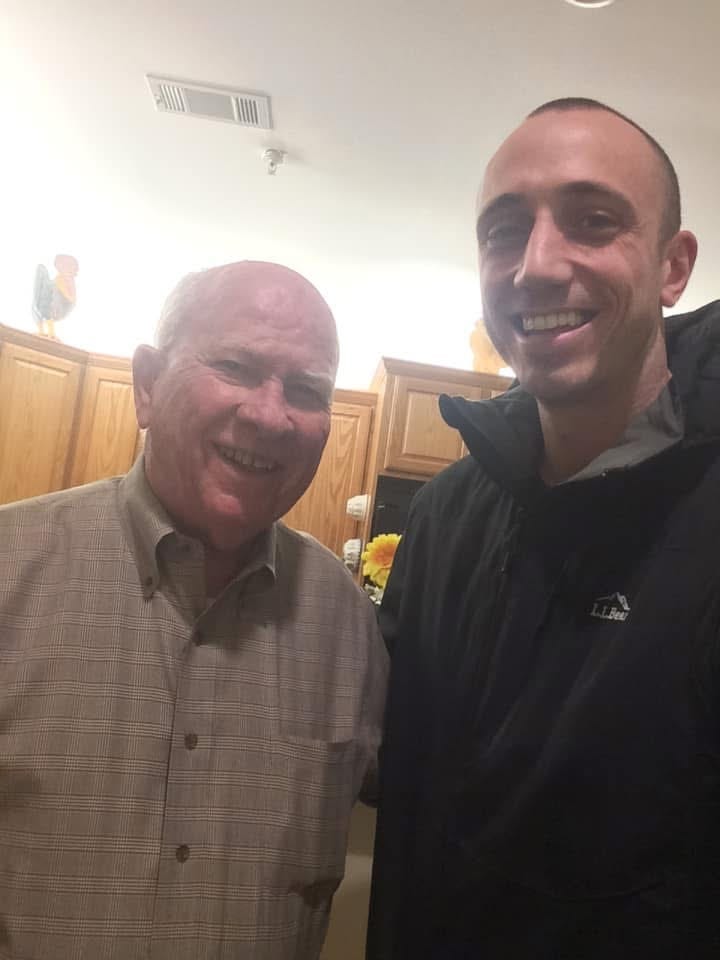
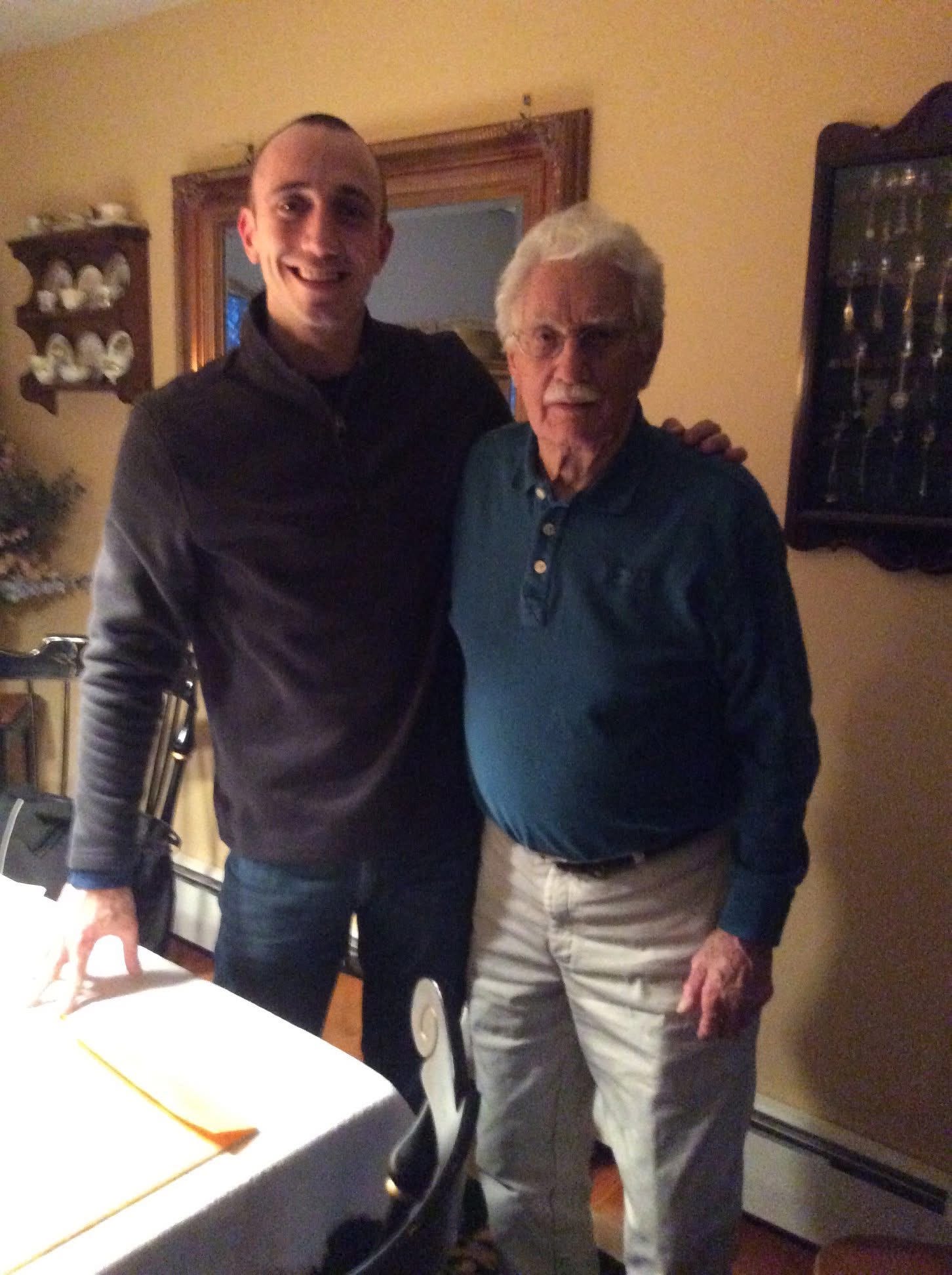
This may sound odd to most of you. But why? Is it not the same as googling self-improvement articles? How is it different from checking out a book at the library or purchasing one off of Amazon?
Rather than read a second hand source produced by a so-called expert, I went directly to the source.
Born in the 1920s and living well into the 2020s, these men and women have been through it all. Several have lived through 20 separate presidential administrations dating back to Woodrow Wilson. I knew they would have something enlightening to share with me.
And they sure did.
Here are my top five key takeaways, from dozens of conversations with these men and women, that I do my best to remember and live by every day:
If you have a penny more than you need, you’re rich.
Is there another group of individuals to talk about financial hurdles and successes with? Their formative years were spent trying to survive the Great Depression–America’s greatest economic calamity. They were able to enjoy the post-war boom of the 1950s. By the 1970s, the economy had ground to a halt and stagflation kicked in and lingered for much of the decade. By the end of the 1980s and into the 1990s, the American economy was humming again thanks to the end of the Cold War and the dot-com boom. Yet, good times don’t last and the Great Recession hit in 2009. They participated in all of it.
Every morning you wake up is a blessing and an opportunity.
Complaining about life to a guy that survived a German or Japanese shelling because the body of their foxhole buddy absorbed the blast is not ideal. How about venting over your boss or employer being unfair and miserable to work for to a woman who served as a war-time nurse and treated maimed bodies for three years. Life is a gift to them and every day they wake up they’re unwrapping a new present.
Beware of nostalgia. Life was not better then.
Don’t fall for the allure of the black and white photographs. The reality is, it’s all relevant. If you’re unhappy today, you’d have been unhappy back then.
Relationships are crucial. Success and survival is easier when working with someone else towards a common goal.
We take our relationships for granted. We know that to be healthy we have to put the work in in the gym and kitchen. We know to build our 401K and set us up for retirement we have to constantly make deposits. When it comes to relationships we assume they’ll take care of themselves. They won’t. Relationships are crucial and must be tended to. These men and women won the Second World War, built America’s major corporations, and successfully led us through the Cold War. They have crafted a fruitful life of retirement that includes bingo night, Saturday morning golf, or daily walks with friends. They know partnership is the linchpin to success and longevity and that partnership needs to be nurtured like anything else.
Time wealth is more enjoyable and rewarding than financial wealth.
These men and women are well into their 90s. Some of them had built exceptional bank accounts along the way. Yet, a number of them expressed to me that they would trade places with me because I “have so much time left.” The top half of their hourglass is dispensing their final grains of sand. They’re keenly aware they will die soon, and they know better than ever that being the richest man in the cemetery will do them no favors once interred.
And an honorable mention…
Work hard, but make sure you’re home.
Society has changed in many ways since these men and women were raising families in their 20s and 30s (1940s/50s). The greatest societal change, in my eyes, is the role of the father. Unfortunately, the men of the Greatest Generation were rarely home when their kids were growing up. They were working or socializing–what they disguised as networking. And that’s not a knock on them. That was society’s expectation at the time. Do you know how many of them never changed a diaper or were splashed by their toddler in the bathtub? 70 years later, these men look at me and my contemporaries with great fondness for committing ourselves to being Dads at home.
We’re not guaranteed a long life. And we’re not guaranteed happiness and satisfaction. But, if we embrace and take advantage of our time, and remember our gifts and blessings, no matter how short or long our life is, it will be full.